

- /
Why We’re Rethinking First Aid Module Packaging
Sometimes, a small change can make everyday service simpler.
At Fresh & Clean, we’re progressively updating the way our First Aid Modules are packaged by moving from shrink wrap sealing to a simple sticker seal.
The service itself isn’t changing. Our managed first aid support remains the same, helping workplaces keep their first aid supplies stocked, maintained and ready when they’re needed.
As the new packaging is rolled out across our operations, some modules may still arrive in shrink wrap during the transition. Over time, the sticker seal will help reduce unnecessary packaging, make modules easier to open and support a more practical process behind the scenes.
Why We’re Making the Change
Fresh & Clean First Aid Modules are designed to make workplace first aid easier to manage.
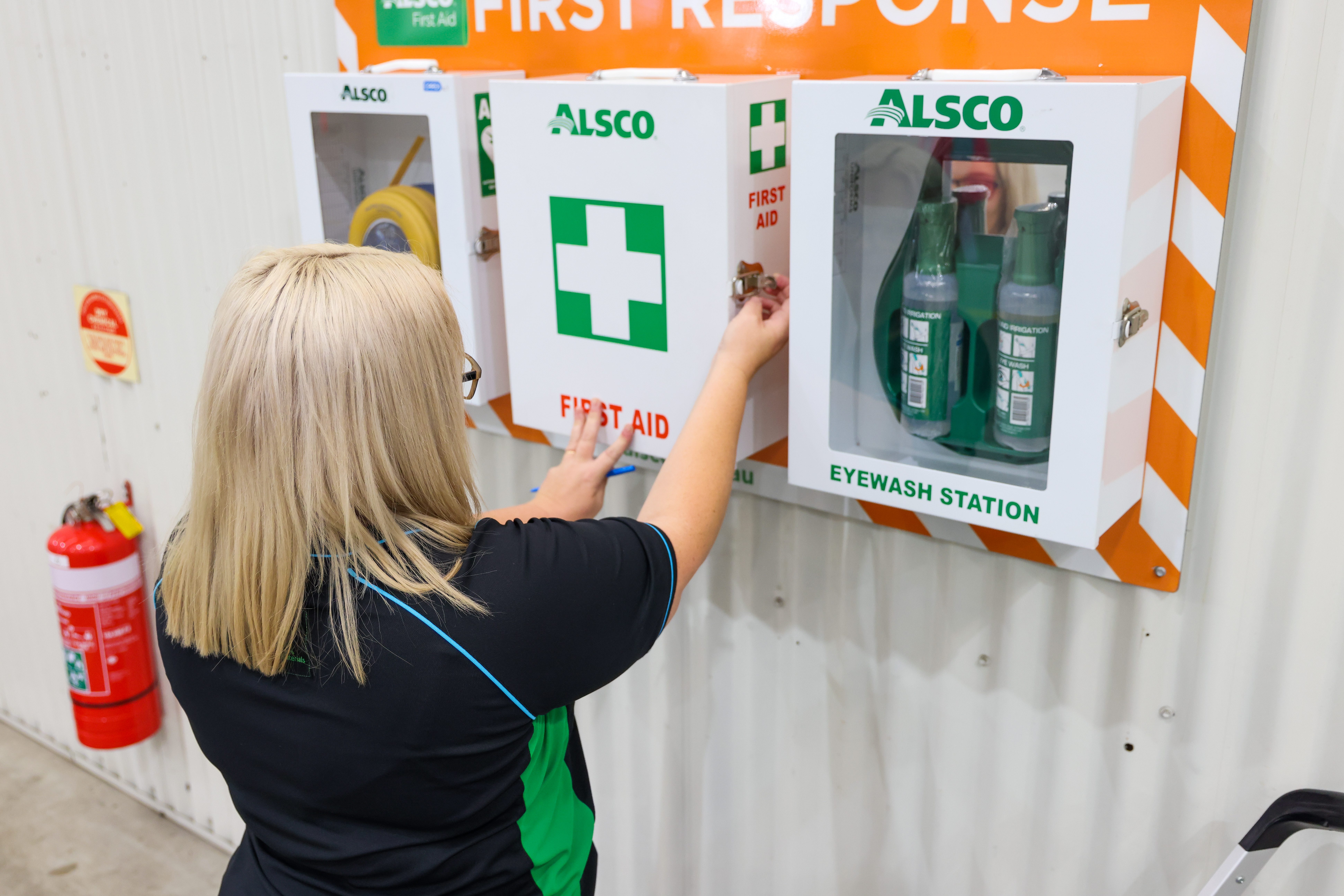
Each module sits inside a serviced first aid cabinet and helps organise supplies by injury type, so staff can quickly find what they need when minor incidents happen.
Previously, each module was sealed using shrink wrap. It was a familiar process, but it also required plastic film, heat-sealing equipment, electricity and additional handling time.
Across our major sites, approximately 500 modules are packed each day. With each module using around 15cm of plastic film, that adds up to approximately 75 metres of shrink wrap plastic every day.
That’s a lot of packaging for a step that could be made simpler.
The video above shows the shrink wrap sealing process currently used for some First Aid Modules.
The footage provides a behind-the-scenes look at a process that has served its purpose but relies on single-use plastic, heat-sealing equipment and additional handling. Reviewing the process identified an opportunity to simplify packaging while maintaining the same dependable service.
A Simpler Sticker Seal
We’re introducing a sticker seal to replace shrink wrap on First Aid Modules over time.
The sticker keeps the module secure, while making it easier to open when first aid supplies are needed.
That matters in a workplace first aid situation. When someone needs quick access to dressings, bandages, eye pads or wound care items, packaging should not slow them down.
Because this change is being progressively rolled out, customers may still receive some modules sealed in shrink wrap while the new process is introduced across our sites.
There is no change to the service customers receive. The same managed first aid support continues, with modules stocked, serviced and maintained as part of Fresh & Clean’s dependable workplace first aid solution.
Less Plastic, Less Energy, Less Complexity
As the sticker seal process is rolled out, Fresh & Clean will reduce unnecessary packaging across our operations.
Once implemented across major sites, the change will help remove approximately 75 metres of shrink wrap plastic each day, which equates to around 19,500 metres per year based on five-day production.
It also reduces the need for heat-sealing equipment in this part of the process, helping lower energy use and simplify how modules are packed.
For our teams, it means fewer steps and less reliance on dedicated equipment.
For customers, it means modules that are easier to open and ready to use when needed.
A Practical Step Forward
Sustainability does not always need to be complicated.
Sometimes, it looks like reviewing an everyday process and asking whether there is a better way to do it.
By progressively replacing shrink wrap with sticker sealing, Fresh & Clean is taking a practical step toward reducing unnecessary plastic, lowering energy use and making First Aid Modules easier to open.
It is a small change with a clear purpose.
Less plastic. Easier access. Same dependable service.
More blogs for you.
24/08/2026 ● 3 minute read
First Aid Modules: A Small Change That Adds Up

27/02/2026 ● 4 minute read
Fresh & Clean Partners with OzHarvest to Support Safer Communities

27/02/2026 ● 2 minute read
Breaking the Silence: Why BINS4Blokes Incontinence Bins Matter — and How Fresh & Clean Is Helping Drive National Change

03/06/2023 ● 2 minute read
Deep Cleaning That Really Goes Deep
22/04/2020 ● 5 minute read
Keeping Your Workplace Safe – Having a Defibrillator?

14/04/2020 ● 3 minute read